Diplomatic Family Moving London: Your Children Are Watching
Your Children Are Watching: A Guide to Diplomatic Family Moving in London
I've been doing this for thirty years.
In that time, I've supported hundreds of families through diplomatic family moving. London, with its network of embassies, high commissions, and consulates, sits at the centre of more international relocations than almost anywhere else in the country. And across all of those moves, I've noticed something that nobody really talks about. Something that matters far more than which shipping container your belongings end up in, or whether your customs paperwork is filed in the right order.
It's the children.
More specifically — it's the way they watch you.
The Move Isn't Just Logistics. It's a Lesson.
I remember a family we moved from London to Kuala Lumpur a few years back. Two kids, eight and eleven. Dad was a senior diplomat, Mum had left her own career behind for the third time to follow the posting. They came to us about ten weeks before the move date.
From the very first call, Mum was calm. Curious, even. She asked good questions. She included the kids in conversations about what would go in the sea freight and what would fly with them as hand luggage. The eight-year-old had a strong opinion about her bedside lamp. We made sure it made it on the air freight list.
On move day, I rang to check in. The house was nearly empty. Mum said the kids had spent the morning making a little ceremony out of saying goodbye to each room. Their idea, not hers.
That's not a coincidence.
What the Research Actually Says About Internationally Mobile Children
There's a body of research — a long-term study of nearly 2,000 people who grew up in internationally mobile families — that found something striking. Around one in four children from foreign service families were identified as being at genuine risk of adverse outcomes in adulthood. Anxiety. Difficulty forming stable relationships. A persistent sense of not quite belonging anywhere.
But here's the part that gets overlooked in most summaries of that research.
The risk factors weren't primarily about how many countries a child lived in, or how frequently they moved. They were about the emotional environment surrounding each move. The chaos or the calm of it. Whether the adults around them modelled resilience or modelled panic.
Children don't inherently fear moving. They fear the unknown — and they take most of their emotional cues about how to feel from the adults closest to them.
If you approach diplomatic family moving London-style — calmly, with good people around you, with the logistics genuinely handled — your children absorb that calm. If you approach it with overwhelm and dread, that's what they carry into the new posting.
It sounds almost too simple. But thirty years of watching families go through this tells me it's true.
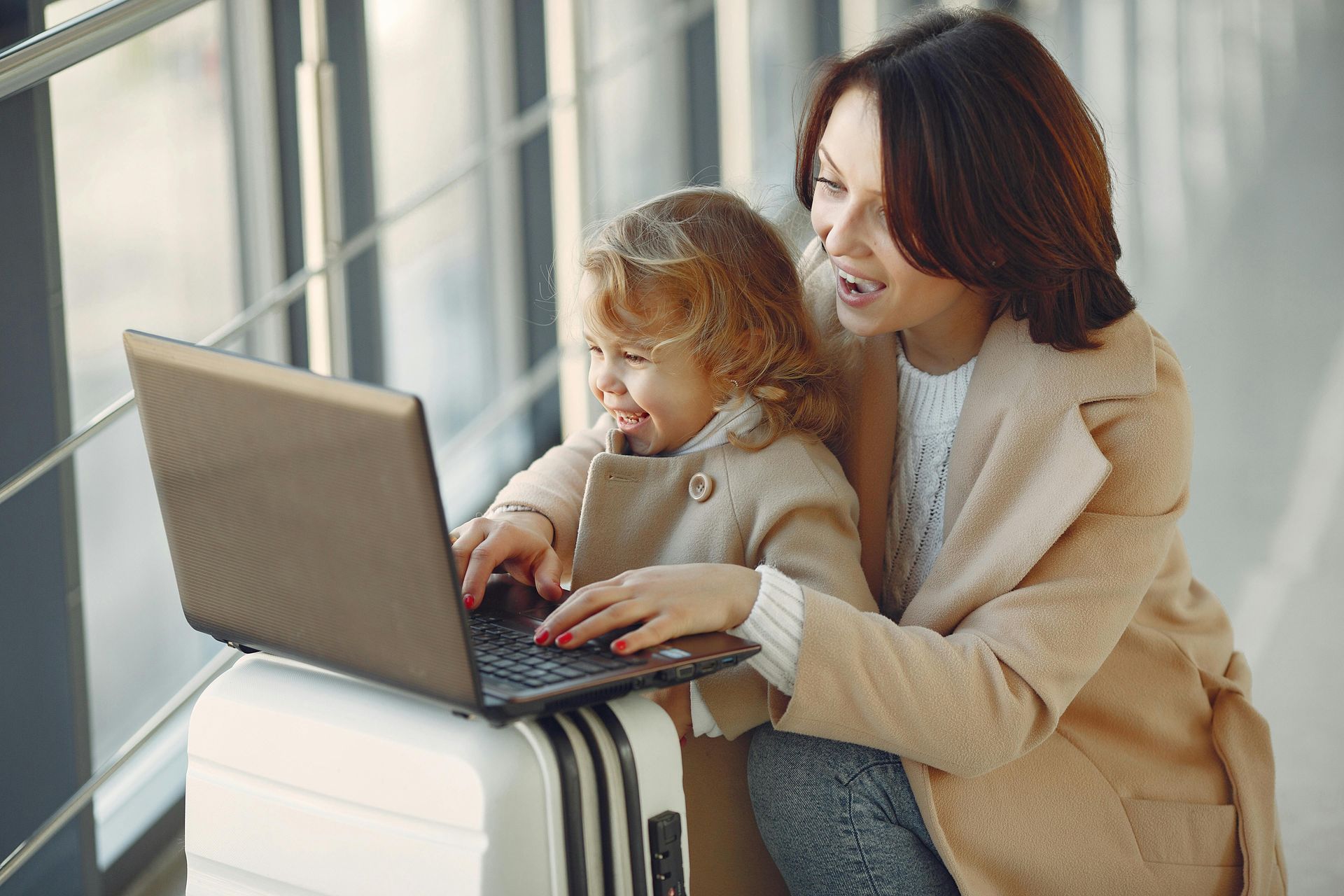
The Objects Matter More Than You Think
There's something I think about a lot. The objects.
When we pack a family's home, we're not packing furniture. We're packing the grandmother's reading chair that's been in three countries already. We're packing the children's drawings from the school they're leaving. We're packing the photo from the last posting that sits on the mantelpiece of every posting — a quiet thread connecting each chapter of a life that's lived across borders.
The children see how those things are handled.
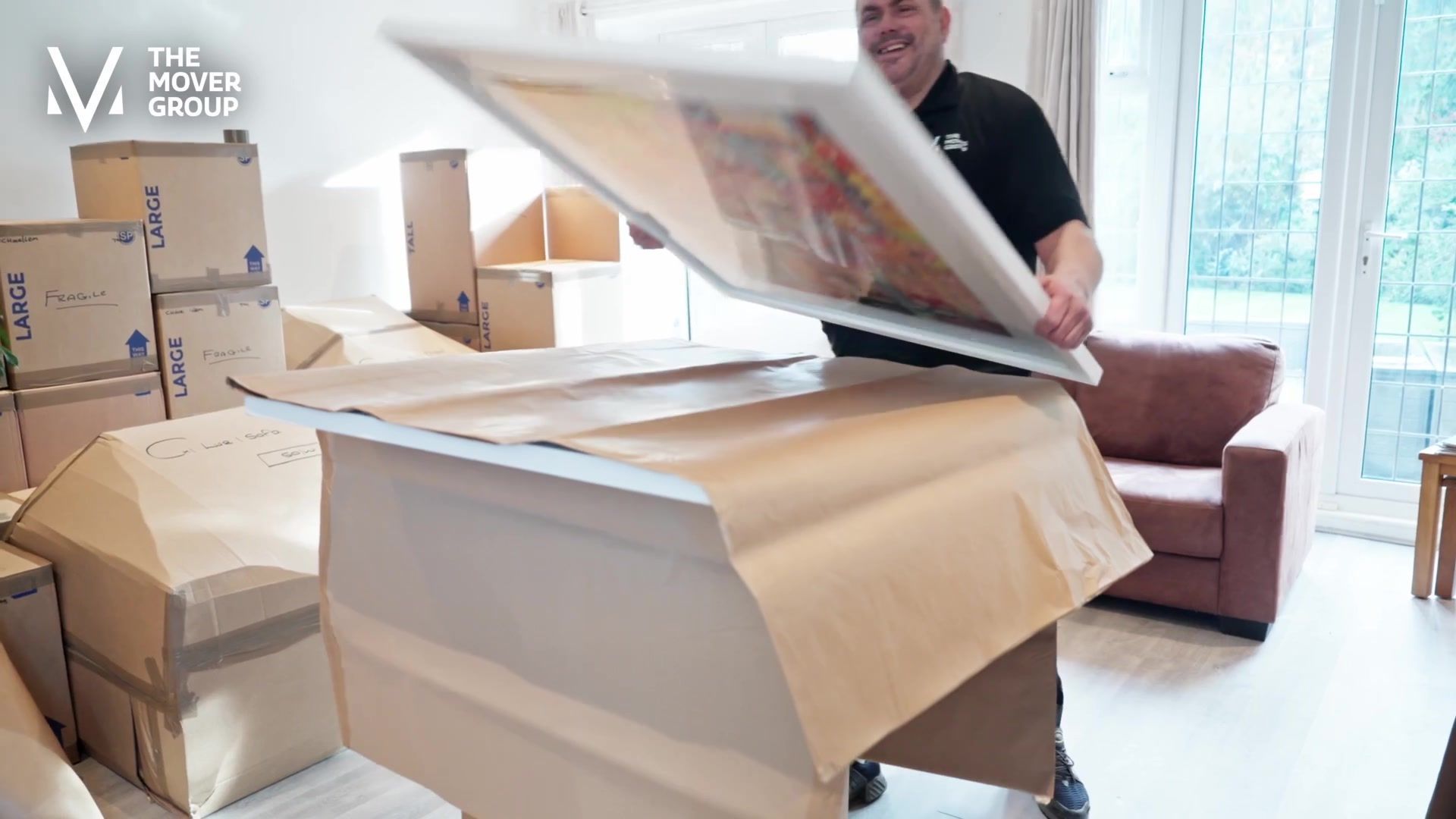
When they watch a team treat their belongings with genuine care — wrapping each item deliberately, packing with precision, taking the time to do it properly — they're watching something important. They're watching adults take their world seriously. And that matters more than most parents realise.
I think that's part of why families who invest in specialist diplomatic family moving London services — real white-glove, not just the phrase — often report that their children found the move less distressing than previous ones. The physical environment of the move was calm and professional. And that calm was contagious.
What Parents Can Do That Actually Makes a Difference
Experts who work specifically with internationally mobile children talk about the culture shock cycle — the honeymoon period at a new posting, followed by frustration, then adjustment, then genuine belonging. What they consistently find is that children move through that cycle faster, and more healthily, when the transition itself was well-managed.
Here are the things that make a real, practical difference:
- - Involve children in age-appropriate decisions — not the overwhelming logistical ones, but the personal ones. Which books travel in hand luggage. What goes in the "first week" box so there's something familiar on the first night. Whether the favourite mug goes in the sea freight or flies with them.
- - Keep routines intact during the move itself. Bedtime stories in the middle of packing chaos. Saturday morning breakfast even when the kitchen is half-emptied. These anchors signal to children that the important things aren't going anywhere.
- - Research the destination together. Let the children lead on finding something they're genuinely excited about — a local football club, a particular food, an unusual landmark. Curiosity is the antidote to dread.
- - Be honest without catastrophising. Not pretending it's all straightforward, but not projecting fear either. "This is a big change and it's okay to feel a bit all over the place. We've got good people helping us, and we'll work it out together."
- - Give yourself permission to get proper support. The parents who manage these transitions most calmly are almost always the ones who aren't trying to manage everything alone.
The language you use in front of your children matters enormously. "Our team are handling the complicated paperwork so we can focus on the exciting parts" creates very different associations than "this whole thing is a nightmare." Both might be true. Only one is useful.

Why Having the Right Team Around You Changes Everything
Something I've noticed over the years. Children who've been through a well-managed diplomatic relocation often grow up with something you can't teach in a classroom.
Adaptability. Genuine comfort with difference. The confidence that comes from knowing you can land somewhere new and find your feet.
Those aren't guaranteed outcomes of moving frequently. They're outcomes of moving well.
The families I worry about are the ones I speak to weeks before their move date — overwhelmed, under-resourced, trying to manage everything themselves because they weren't given enough support by their embassy's relocation package. Their stress is entirely understandable. But it has a cost that shows up in their children.
Which is why having the right people around you matters. A personal move manager who knows your family's situation, who answers the phone, who handles the paperwork so you can handle the parenting — that's not a luxury. For families navigating diplomatic family moving, London presents enough complexity already. The logistics shouldn't add to it.
Frequently Questions From Diplomatic Parents
How early should we start talking to our children about an upcoming posting?
As soon as you know. Children handle uncertainty better when they have time to process it gradually — weeks of small conversations are far less overwhelming than one big announcement close to the move date. Keep it age-appropriate, keep it calm, and keep it honest. The same principles that apply to managing the logistics apply to managing the emotional side: start early, get organised, and don't try to do it all yourself.
What if our child is completely resistant to moving?
Resistance is often a sign of strong attachments — which is actually healthy. The goal isn't to eliminate their feelings about leaving but to give them somewhere to put those feelings constructively. A farewell project, a memory book, a proper goodbye with friends — these rituals matter. They acknowledge that what's being left behind was real and valuable, whilst creating space for what comes next.
How do we maintain stability when everything is in boxes?
The physical environment is temporary. The family isn't. Prioritise the routines that signal normality — meals together, bedtime rituals, family evenings — even when everything else is disrupted. Make sure the items that matter most to your children travel with them directly rather than in the shipment. That bedside lamp, those particular books, the stuffed animal that's been everywhere. Small things. Big anchors.
The Longer View
If you're preparing for a posting and you have children watching how you handle it, my advice is this.
Give yourself permission to get proper support. Not because you can't manage it — you clearly can, you're a diplomat, you manage rather a lot. But because the time and energy you save by having the logistics genuinely looked after is time and energy you can put into your children during one of the most significant transitions of their young lives.
They're watching. Make it worth watching.
If you'd like to talk through your upcoming posting, we're here. I have supported close to 1,000 diplomatic and executive families through international relocations.
Drop me a line at os@themovergroup.com or call 0203 318 2216.
Every move is personal.
Onkar Sharma