London to India Moving Company: Why the Port You Choose Can Cost You Thousands More
London to India Moving Company: Why the Port You Choose Can Cost You Thousands More
Here's something most people only discover after their shipment has already left London.
As a London to India moving company, we ask every client the same question within the first five minutes of our initial conversation: where exactly in India are you going? Not the city — the neighbourhood. Because the answer determines which Indian port your household goods should arrive at — and choosing the wrong one can add £2,000 to £3,000 to your total relocation cost before you've unpacked a single box.
Most families never know this decision exists until it's too late to change it.
My family has been running this route — London to India, India to London — for as long as I can remember. I grew up watching my father coordinate shipments between the two countries, learning the paperwork, the customs protocols, the seasonal rhythms of the ports. When I built The Mover Group, this route was in the foundations. Thirty years of operating it has taught me things about UK to India removals that most companies either don't know or don't bother explaining.
This is the explanation most families never get.
Why Port Selection Is the Most Important Decision You'll Make
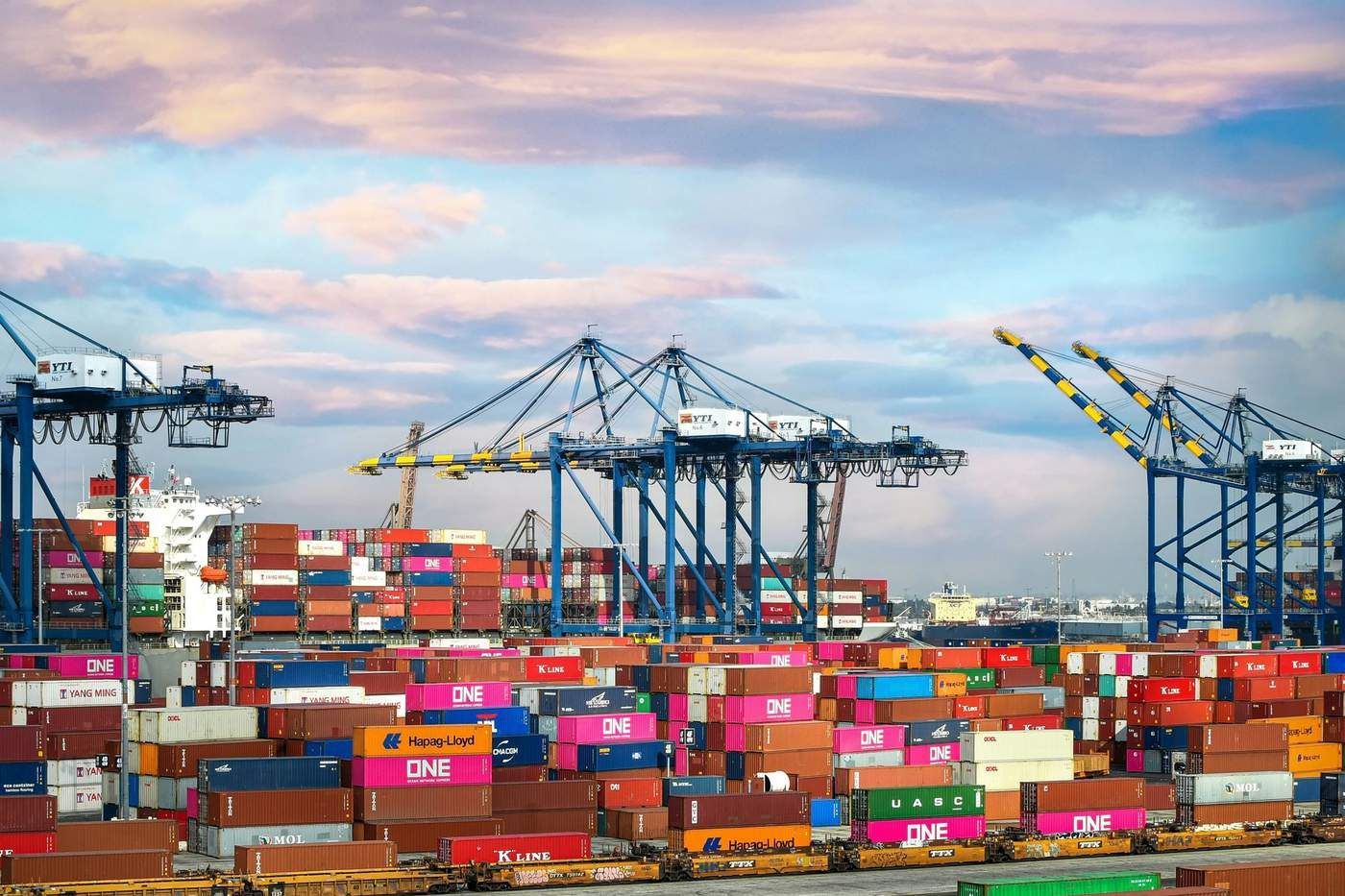
India has four major ports that handle household goods shipments from the UK. Each serves a different geographic catchment area. Each has different road freight costs to the major cities. And each has different customs clearance processes, seasonal performance patterns, and infrastructure strengths.
The London to India moving company that routes every shipment through Mumbai regardless of destination is not making a strategic decision — it is making the path-of-least-resistance decision. Mumbai is the highest-volume port. It is the most familiar. It is also completely wrong for anyone relocating to southern India, eastern India, or large parts of Gujarat.
Your sea freight leg — London to India — accounts for a portion of your total relocation cost. Your inland freight leg — Indian port to your door — accounts for another portion. A company quoting you on sea freight alone is giving you an incomplete picture. Total delivered cost is the only number that matters. Port selection is where that number is set.
JNPT Mumbai — The Western Gateway
Jawaharlal Nehru Port Trust handles the largest volume of UK household shipments arriving in India, and for good reason. For destinations across Maharashtra, Gujarat (outside Mundra's catchment), Rajasthan, and parts of Madhya Pradesh, Mumbai is your most efficient arrival point.
Mumbai to Pune is three hours by road. Mumbai to Nashik, two and a half hours. For obvious reasons, Mumbai itself routes through JNPT. The port infrastructure is well established, customs clearance for Transfer of Residence shipments moves reliably, and experienced agents operate there in volume.
The mistake — and it is a common one for families working with a London to India moving company that doesn't specialise in this route — is using Mumbai for southern destinations. Mumbai to Bangalore is approximately 1,000 kilometres by road. For a standard three-bedroom household shipment, that inland freight can cost £2,500 to £3,000. The same shipment arriving at Chennai costs a fraction of that to deliver to the same Bangalore address.
This is not a small saving. For many families, it represents a meaningful proportion of their entire relocation budget.
Chennai — South India's Natural Gateway
For Tamil Nadu, southern Karnataka, Andhra Pradesh, Telangana, and Kerala, Chennai port is the correct choice and the one we recommend as standard for these destinations.
Bangalore is approximately five hours from Chennai by road — a fraction of the cost of the equivalent Mumbai journey. Coimbatore, Madurai, Hyderabad, Kochi, and Visakhapatnam all sit within efficient trucking distance. For families moving to south India, Chennai routing is simply correct economics.
Chennai customs officers process substantial volumes of Transfer of Residence household goods shipments. The port handles containerised cargo efficiently. The one seasonal consideration worth noting: monsoon conditions between June and September occasionally create operational delays. For families with flexibility on departure timing, avoiding a Chennai arrival during peak monsoon reduces the risk of storage charges while waiting for port operations to normalise.
When clients ask us about moving from London to India to Chennai or anywhere in the south, Chennai is our first routing recommendation — and it usually saves them significantly against the alternative.
Mundra — Gujarat's Private Port Advantage
Adani's Mundra port offers something the government-operated alternatives cannot: private sector efficiency applied to port operations.
For destinations across Gujarat — Ahmedabad, Surat, Vadodara, Rajkot — Mundra is frequently the strongest choice. It also serves northern Rajasthan and parts of Madhya Pradesh effectively. The port's privately managed infrastructure tends to produce faster clearance times than JNPT for comparable shipments, which matters when Transfer of Residence regulations require your physical presence in India throughout the clearance process.
Mundra carries slightly higher port charges than JNPT. For many families, the time saving justifies this — particularly executive relocations where schedule certainty has real value. For the substantial NRI community in the UK with roots in Gujarat, Mundra is a detail we raise in every initial conversation, because it is consistently underused by families who default to Mumbai without knowing the alternative exists.
Kolkata — The Eastern Gateway
West Bengal, Jharkhand, Bihar, Odisha, and eastern Uttar Pradesh all route naturally through Kolkata. For families relocating to Bhubaneswar, Patna, or anywhere across the north-eastern states, Kolkata is both the logical and economical choice.
The port handles household goods competently, though infrastructure limitations occasionally create delays during peak seasons. For destinations further afield — Guwahati and the north-eastern states — a road and rail combination from Kolkata is standard practice, and our local IAM partner handles this coordination as part of the managed delivery.
International removals to India from UK destined for the east are comparatively less common than western or southern routes, but the routing logic is exactly the same: total delivered cost, not just ocean freight, determines which port serves you best.
What Five to Six Weeks Actually Means
Every UK to India moving company quotes five to six weeks for sea freight. Here is what that timeline actually involves, because understanding it affects decisions you need to make well before departure.
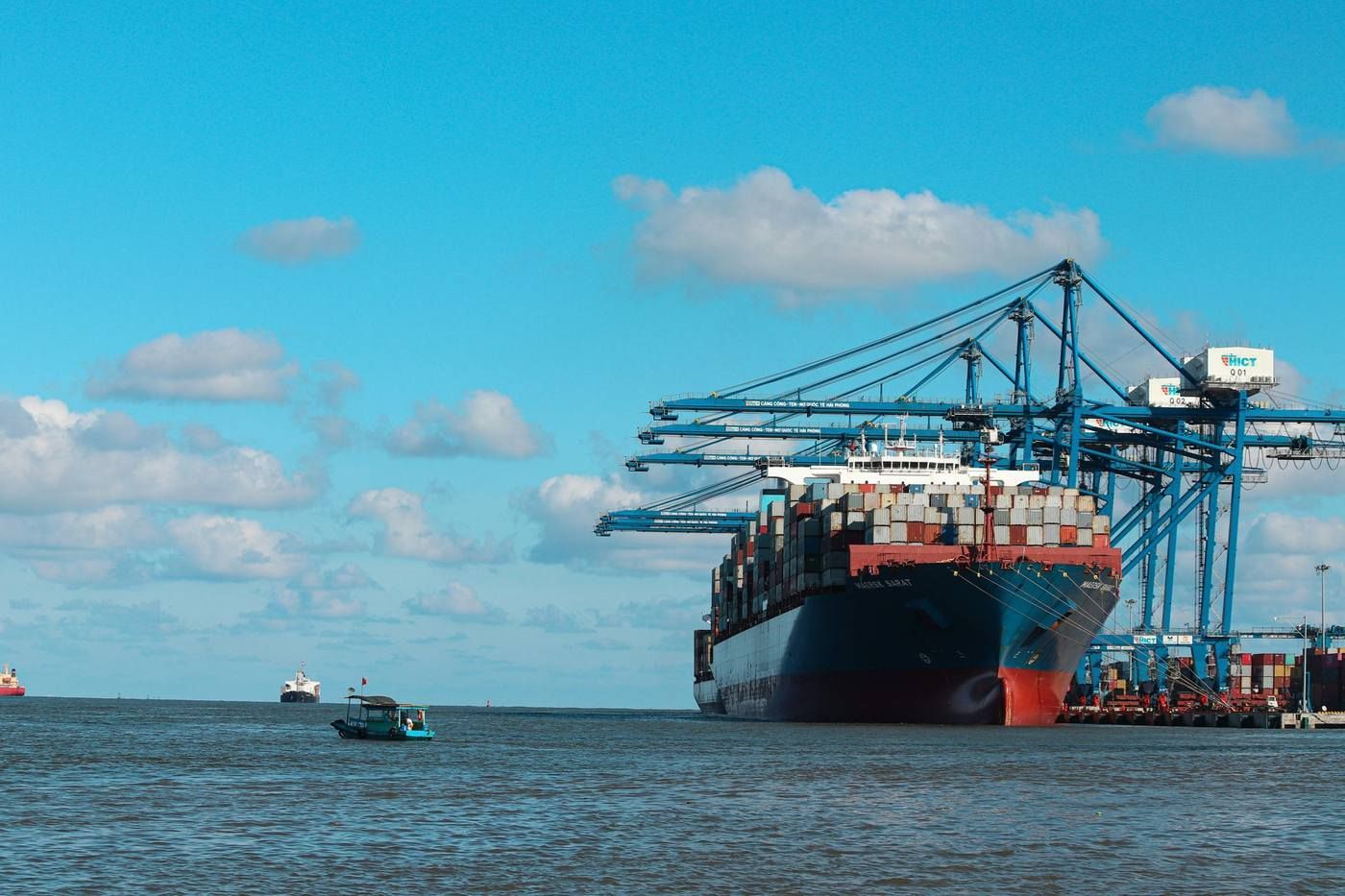
Your container departs from Felixstowe or Southampton on a scheduled sailing. The ocean voyage to Indian waters takes fourteen to eighteen days. On arrival, your shipment joins a port queue — and depending on congestion, customs examination scheduling, and document processing, that queue adds ten to fourteen days.
Festival seasons are worth building into your planning. Diwali and Dussehra create elevated port activity across India. Monsoon disruptions affect Chennai and Kolkata operations seasonally. These are not exceptional circumstances — they are the normal rhythm of this route. An experienced London to India moving company plans around them.
The reason this timeline matters beyond scheduling is the Transfer of Residence presence requirement, which we'll come to shortly. The key point: five to six weeks is a guide, not a guarantee. We give clients a realistic window based on their departure date, their destination port, and the seasonal context — not the most optimistic number.
Indian Customs: Why 100% Physical Inspection Is Normal
First-time shippers consistently react with concern when they learn that Indian customs conducts 100% physical examinations of household goods containers. It is worth saying clearly: this is standard procedure. It is not a red flag, not unusual, and not something to worry about if your shipment is properly prepared and documented.
Customs officers verify your inventory list against the actual contents of your container. They are looking for commercial goods, restricted items, or undeclared valuables — not trying to create difficulties for families relocating legitimately under the Transfer of Residence scheme. A properly packed shipment with accurate, complete documentation clears smoothly.
The examination typically takes two to three hours. Your customs agent — our IAM partner at destination — coordinates the scheduling. The requirement for your physical presence under Transfer of Residence means you will be in India during this window in any case.
What makes professional packing critical at this stage is not customs — it is the handling. Items are examined and repacked during the inspection. Professional packing means your belongings survive that process without damage. Poorly packed items are a customs examination risk that has nothing to do with the customs officers themselves.
Our door to door moving UK to India service includes detailed inventory preparation, accurate declared values, and complete documentation review before your container is loaded. Clearance problems almost always originate in paperwork errors, not in the shipment itself. We prevent them at source.
The Transfer of Residence Requirement — What Nobody Tells You Until It's Too Late
India's Transfer of Residence scheme allows UK-based families to import used household goods duty-free when relocating to India. For a typical three-bedroom household, the duty savings can amount to thousands of pounds.
The scheme is genuinely valuable — but it comes with a condition that catches families unprepared every year.
You must be physically present in India throughout the customs clearance process.
Not your agent. Not a family member. You. Available for customs examination, able to sign clearance documents, present in the country when your shipment clears.
This means planning your travel to India around your shipment's expected arrival window, not the other way around. It means not scheduling business travel or a holiday during that period. It means understanding that if your container arrives and you are not in India, storage charges begin accumulating — and the clearance timeline restarts when you return.
We build this into our planning from the first conversation.
Your personal move manager tracks your shipment's progress and gives you a realistic arrival window so you can time your own travel accordingly. As your trusted UK to India relocation specialists, managing this coordination is part of what we do — not something we mention as a footnote after booking.
How We Route Your Shipment
When families choose The Mover Group as their London to India moving company, port selection happens at the initial consultation — not as an afterthought, not as a default.
Your personal move manager maps your final Indian destination against each port's efficiency profile. We calculate total delivered cost — sea freight plus inland transportation — for the realistic options. Sometimes the cheapest ocean freight produces the highest total cost. A £300 premium for Chennai routing can save £2,500 in road freight for a Bangalore delivery. We show you the comparison and explain the reasoning.
Our IAM membership connects us with vetted, experienced customs clearance agents at each of the four major ports. Whether your container arrives in Mumbai, Chennai, Mundra, or Kolkata, you are in the hands of a professional who knows the local process, speaks the local language, and carries the relationships to resolve complications quickly if they arise.
Fixed-price quotes. No hidden charges. Total delivered cost presented upfront.
Frequently Asked Questions
What documents do I need for a Transfer of Residence shipment from the UK to India?
The core documentation required includes your passport with valid Indian visa or OCI card, an employment termination letter from your UK employer, an employment confirmation or appointment letter from your Indian employer or evidence of your reason for relocation, and a detailed inventory of all items in the shipment with declared values. Some destination states require additional documentation — your personal move manager will advise on destination-specific requirements. We review all documentation before your container is loaded to prevent clearance delays at the Indian port.
What is the Transfer of Residence scheme and how much duty can it save?
India's Transfer of Residence scheme allows qualifying individuals relocating to India to import used household goods duty-free, provided the goods have been owned and used for a minimum period and the applicant is genuinely taking up residence. The duty saving varies significantly depending on the value and composition of your shipment — for a typical family household, savings of several thousand pounds are common compared to standard import duties. Your personal move manager will assess your eligibility and advise on what qualifies under the scheme during your initial consultation.
Can I ship my car as part of a UK to India household goods removal?
Vehicle import to India is subject to separate regulations from household goods and operates under different customs procedures. Import duty on foreign vehicles is significant, and the process is distinct from the Transfer of Residence scheme that covers household contents. We advise clients on vehicle import options during consultation — in many cases, the economics favour selling the vehicle in the UK and purchasing in India rather than shipping. Where clients do wish to ship a vehicle, we manage this as a separate cargo stream with specialist handling.
The port decision is made early. Its financial impact arrives at the end — when your container is already in India and the inland freight invoice lands.
Getting it right from the outset is the difference between a relocation that costs what you expected and one that surprises you at the worst possible moment.
As your London to India moving company, we make this decision with you — transparently, with the numbers in front of both of us, before anything is booked.
Every move is personal.
Onkar
Call: 0203 318 2216
Email: sales@themovergroup.com
Book your free consultation: https://www.themovergroup.com/the-indian-mover