Moving to Florida from the UK: Your Step-by-Step Guide
Moving to Florida from the UK: Your Step-by-Step Guide
Moving to Florida from UK homes means shipping your household across the Atlantic, clearing US customs and getting your belongings through Florida's heat and humidity in good condition. Most guides to the move cover visas, tax and where to live. This one covers the other half: how your home actually gets there, and what changes because the destination is Florida.
For visas and residency, start with the official GOV.UK guidance on living in the USA and the US Embassy. What follows assumes your right to live in Florida is arranged and your next question is the logistics.
In this guide
- What the move involves
- How long shipping takes
- Which Florida port your goods arrive at
- Heat and humidity
- Hurricane season
- If your home isn't ready
- What to ship and what to leave
- Customs paperwork
- What's included
- Frequently asked questions
Moving to Florida from UK homes: what does it involve?
Moving your household to Florida from the UK has five stages: a survey of what you're sending, export packing at your UK home, sea or air freight across the Atlantic, US customs clearance at a Florida port, and delivery to your new address. By sea, the whole process typically takes 6 to 8 weeks door to door.
- Survey. A home or video survey measures your volume and identifies anything that needs crating or separate handling.
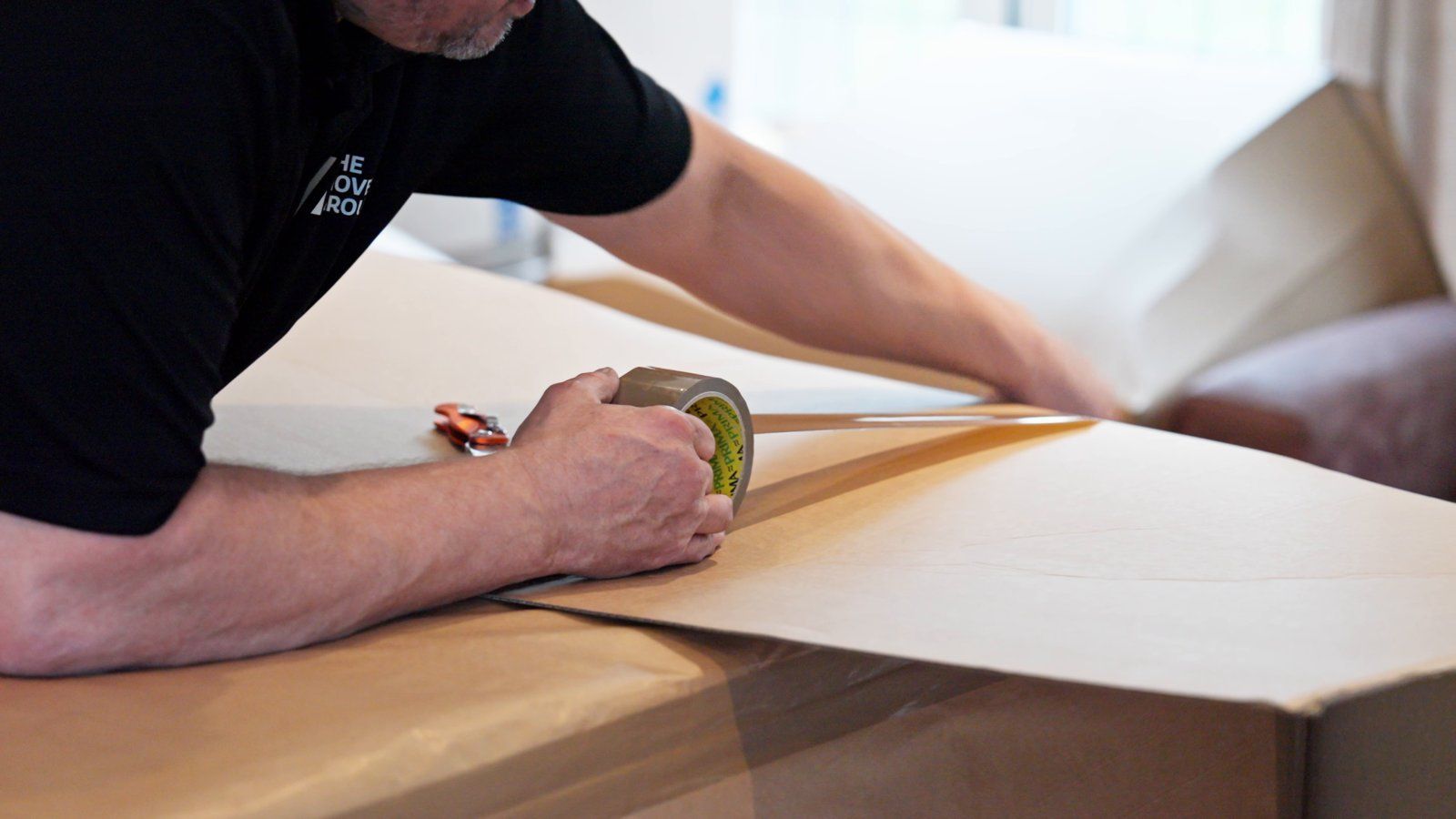
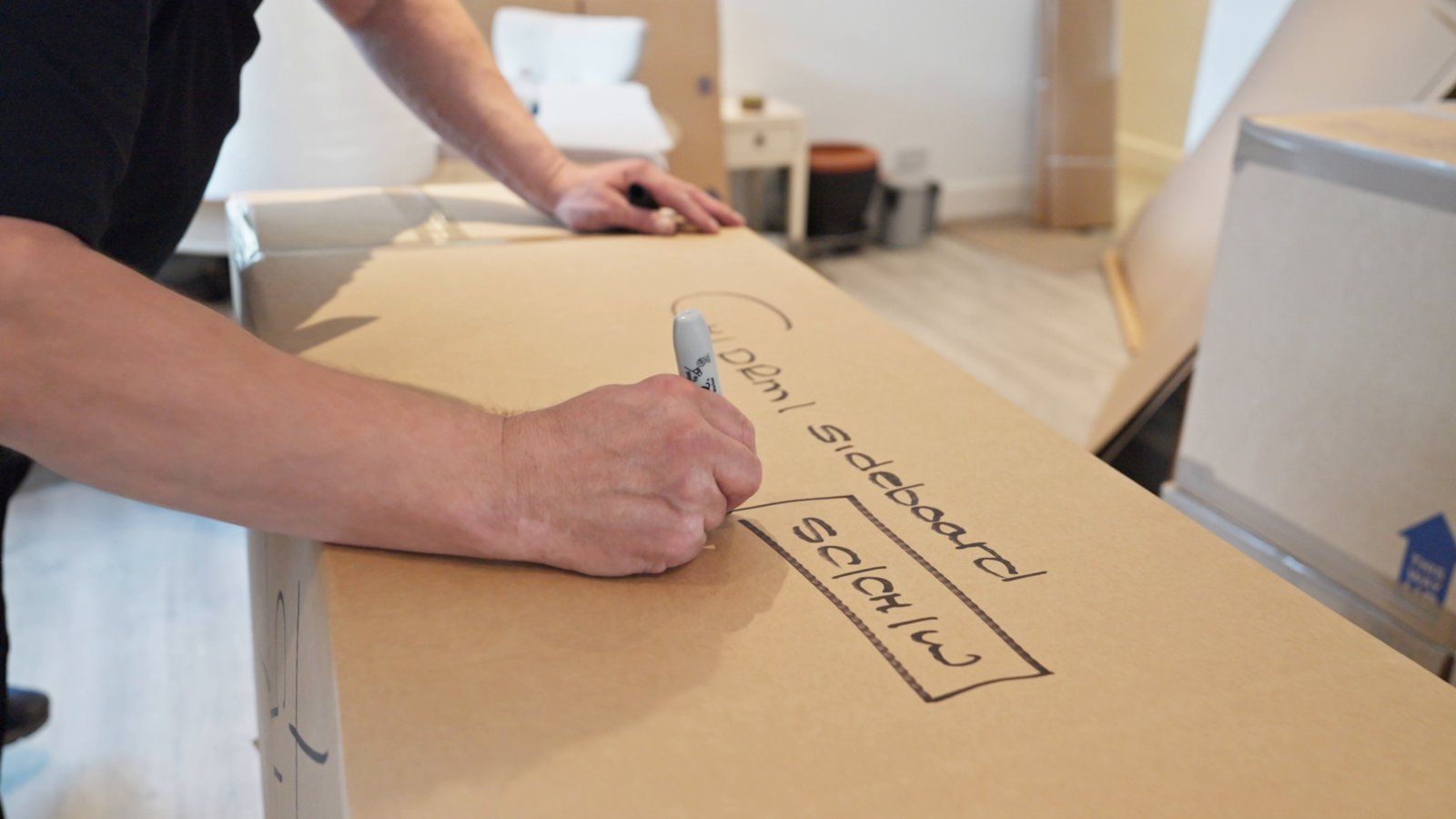
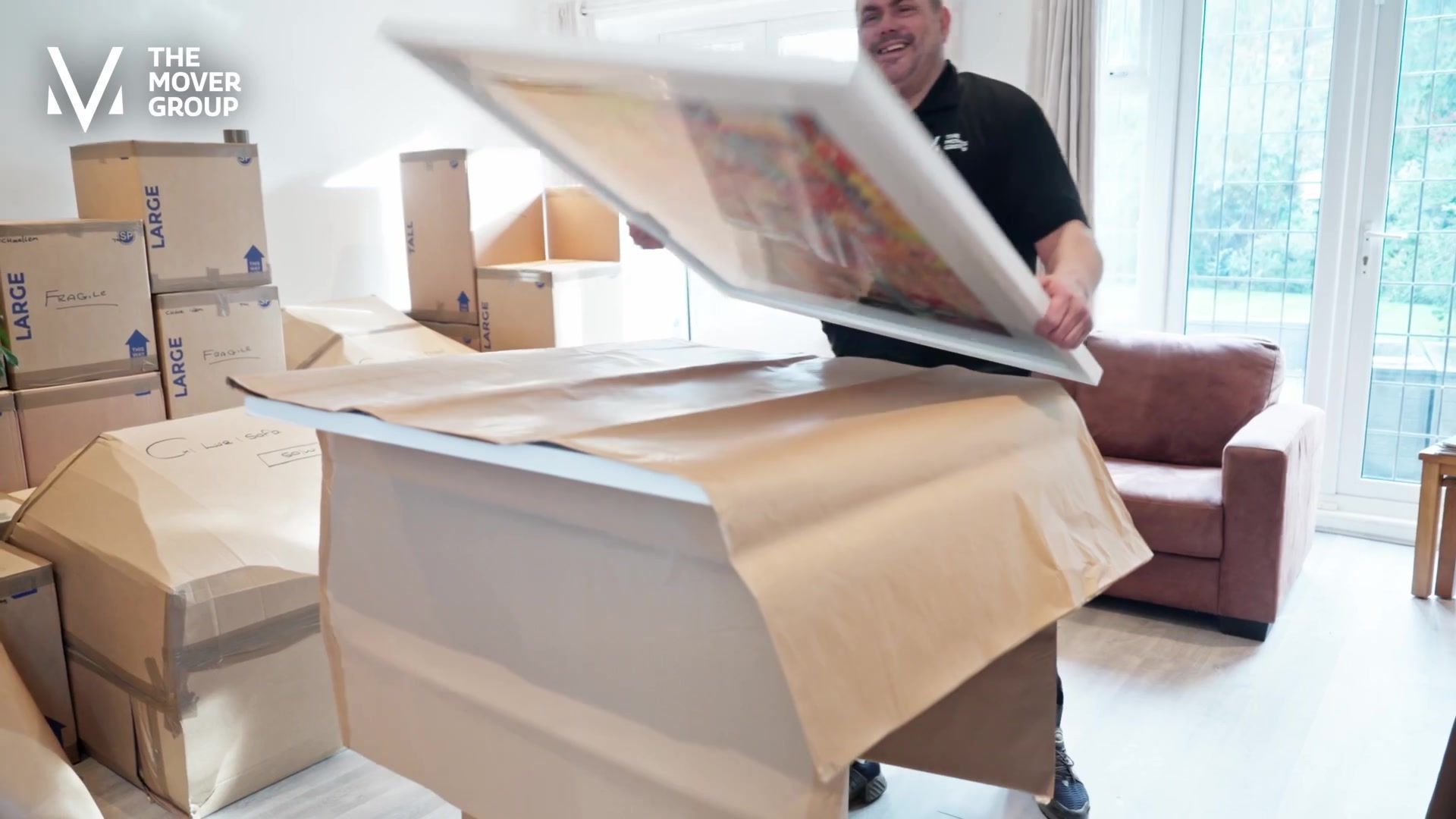
- Export packing. Each item is wrapped for a long sea crossing, numbered and recorded on an inventory that later becomes your customs declaration.
- Freight. Your goods travel in a shared container, a sole-use container or, for urgent essentials, by air.
- Customs clearance. The shipment is declared to US Customs and Border Protection and released at the port.
- Delivery. Your goods go by road to your Florida home, where they're unloaded and unpacked.
How long does shipping household goods to Florida take?
By sea, allow 6 to 8 weeks door to door in a sole-use container, or 8 to 10 weeks in a shared container, which has to fill before sailing. Air freight takes 4 to 8 days but suits only essentials.
| Service | Typical volume | Door-to-door time | Best for |
|---|---|---|---|
| Air freight | Essentials, by weight | 4 to 8 days | Clothes, documents and items you need on arrival |
| Shared container (groupage) | Up to about 700 cu ft | 8 to 10 weeks | Flats, part households, flexible dates |
| 20ft sole-use container | About 1,000–1,100 cu ft | 6 to 8 weeks | Two to three-bedroom homes |
| 40ft sole-use container | About 2,000–2,350 cu ft | 6 to 8 weeks | Four-bedroom homes and larger |
Start planning ten to twelve weeks before you want your goods in Florida. That leaves time for a proper survey, for visas to be finalised and for considered decisions about what to send. Later bookings can usually still be handled, but there are fewer options.
Which Florida port will my shipment arrive at?
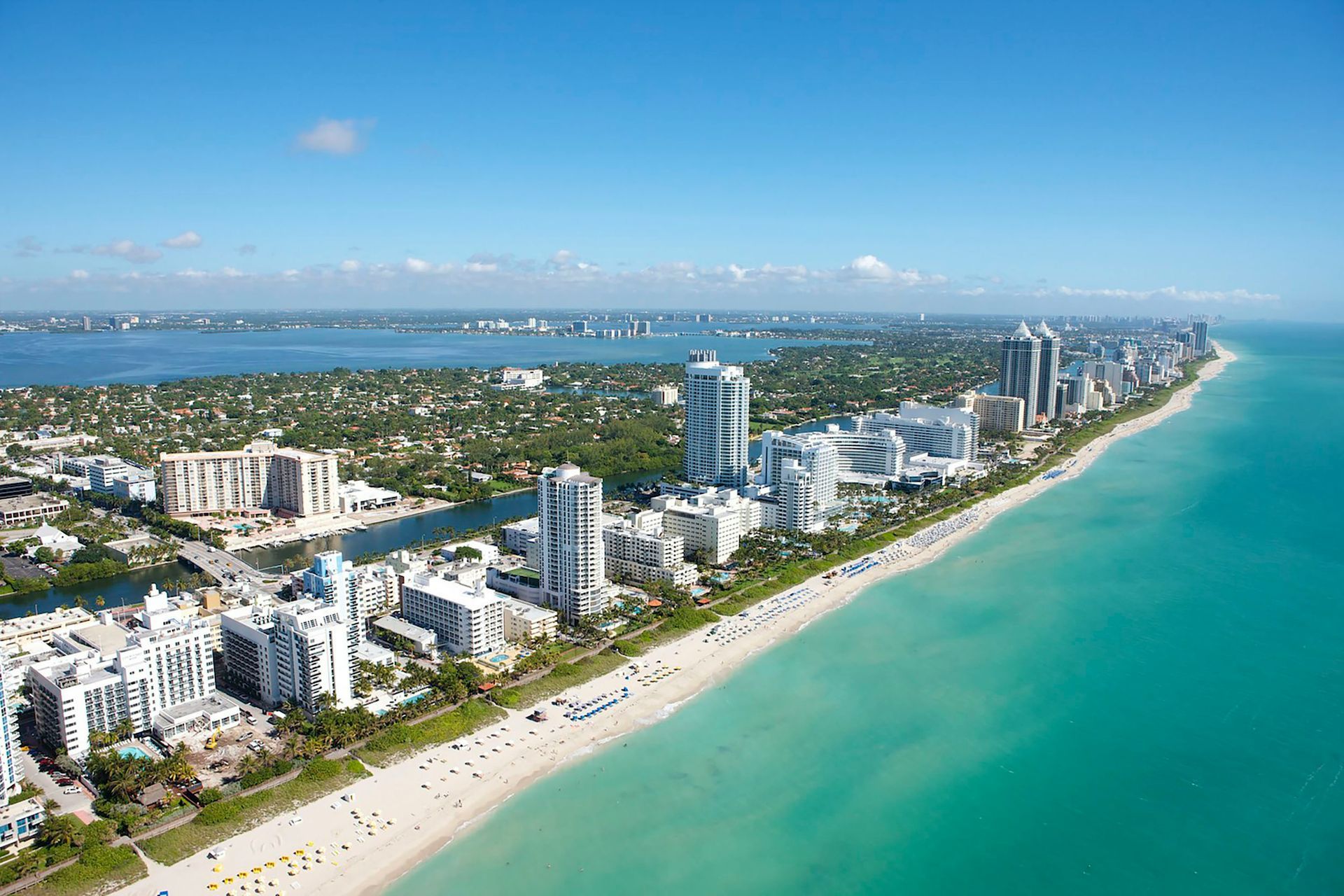
Household shipments to Florida usually arrive through one of the state's main container ports, chosen to be closest to your new home. On the Atlantic coast that means Port Everglades (Fort Lauderdale), PortMiami and JAXPORT (Jacksonville). On the Gulf coast it's Port Tampa Bay. The port affects sailing options, timing and the length of the road journey to your door.
As a guide, if you're moving to Miami from the UK, or to Fort Lauderdale or Palm Beach, your goods will usually come through a South Florida port. Orlando, Tampa, Sarasota and Naples may come through Tampa or the Atlantic ports depending on the sailing schedule. Northern Florida is usually served via Jacksonville.
How does Florida's heat and humidity affect your furniture?
Florida's sustained heat and humidity are the biggest risks to household goods once they leave a UK climate. Solid timber can swell or crack, leather and books can grow mould, paper artwork can cockle, and instruments can go out of tune. The risk is greatest in a sealed container in transit, and again if your goods sit in storage that isn't climate-controlled.
| Item type | Florida risk | How we protect it |
|---|---|---|
| Solid wood and antique furniture | Swelling, joints loosening, veneer lifting | Moisture-barrier wrap, desiccant, kept off container walls |
| Leather sofas and books | Mould and mildew | Sealed polythene layer, desiccant, ventilated loading |
| Artwork on paper and photographs | Cockling, foxing, mould | Sealed barrier bags, timber crates |
| Pianos and instruments | Soundboard movement, tuning instability | Specialist wrap and crating; re-tune after acclimatising |
| Electronics | Condensation damage | Original or double-wall cartons, sealed bags |
| Mattresses and upholstery | Damp and odour | Sealed mattress bags, kept away from container walls |
Once your goods arrive, let solid wood and instruments acclimatise in an air-conditioned room before anyone adjusts or tunes them. For how each layer of an export wrap works, see our guide to export packing.
Does hurricane season affect a move to Florida?
Yes. The Atlantic hurricane season runs from 1 June to 30 November, and storms can close ports, delay sailings and disrupt road deliveries at short notice. A move in those months is entirely possible, but build some slack into your plans. Don't book your delivery for the day you get your keys, and keep valuables and documents with you.
How to plan around it:
- Allow a buffer of several days between the expected arrival and any fixed commitments.
- Choose storage that is climate-controlled and secured against storm damage if your goods need to wait.
- Make sure your transit insurance covers the full journey, including any storage period.
- Follow official warnings from the US National Hurricane Center in the weeks around delivery.
What if your Florida home isn't ready when your goods arrive?
It happens often. A property completion or lease start date moves, or a sailing arrives early. The answer is storage, either in the UK before shipping or in Florida after clearance, followed by a delivery booked once you have the keys. In Florida, insist on climate-controlled storage: a standard unit in August is no place for antique furniture.
What should you ship to Florida, and what should you leave behind?
Ship what is valuable, sentimental or hard to replace. Leave or sell what is cheap to replace or won't work in the US. The US mains supply is about 120 volts with different plugs, so most British appliances are not worth the space. A useful test: if replacing an item in Florida costs less than shipping it, leave it.
Usually worth shipping
- Solid wood and antique furniture
- Artwork, rugs, books and family heirlooms
- Pianos and instruments (with re-tuning budgeted)
- Children's belongings, where continuity matters most
Usually better to leave or sell
- Washing machines, fridges, cookers and other large British appliances
- Flat-pack furniture that won't survive being dismantled again
- Garden tools and equipment carrying soil, which faces US agricultural inspection
- Bulk food, cleaning products and anything flammable
If you're shipping furniture from the UK to the USA, a sole-use container makes sense once your volume is large enough to fill one. Your surveyor will advise.

What customs paperwork do you need?
US customs clearance for household goods centres on CBP Form 3299, the declaration for duty-free entry of used personal and household effects, supported by your passport, visa documentation and a detailed inventory. Customs clearance is included in the relocations we manage. We prepare the paperwork and track your shipment through to release.
Our guide to removals to the USA explains Form 3299, eligibility and the full US customs process. The points that matter most for a Florida move:
- Be precise on the inventory. "Box, kitchen" invites an examination. "Crockery and glassware, used" doesn't.
- Declare restricted items. Alcohol, plants, food, firearms and anything made from protected species (such as antique ivory inlay) need declaring or special permission. Check the current rules on CBP.gov.
- Carry medicines with you in their original packaging, not in the container.
- Vehicles are a separate process. See our guide to shipping a supercar from the UK to the USA.
What's included when you move to Florida with us?
The International Mover handles your move from London to your Florida door: a free survey, export packing by our crew, sea or air freight, US customs clearance, delivery and unloading. A personal move manager is assigned when you book and stays your single point of contact throughout. After the survey you get a fixed price for the agreed inventory, revised only if you add items afterwards.
Full cover insurance is available as an option, at the declared value of your goods. We help you prepare a valued inventory and explain the terms before you commit.
The International Mover is part of The Mover Group, an IAM Premier Member, the highest tier of the International Association of Movers. Our founder, Onkar Sharma, brings 30+ years of personal experience in international removals.
Moving elsewhere in the USA? Read our guides to moving to New York from the UK and moving to Los Angeles from the UK, or explore The International Mover.
Frequently asked questions
How long does it take to ship household goods from the UK to Florida?
By sea, allow 6 to 8 weeks door to door in a sole-use container, or 8 to 10 weeks in a shared container, which has to fill before sailing. Air freight takes 4 to 8 days but suits only essentials.Hurricane season (June to November) can add delays.
Do I pay US import duty when moving to Florida from UK?
Usually not on used household goods you have owned and used abroad, provided you are arriving to take up residence and the shipment is correctly declared on CBP Form 3299. Alcohol, tobacco, recently bought new items and vehicles can be treated differently.
Which port will my belongings arrive at in Florida?
Usually the main container port nearest your new home: Port Everglades, PortMiami or Jacksonville on the Atlantic side, or Port Tampa Bay on the Gulf coast. The port affects sailing options, timing and the length of the final road journey.
Should I take my British appliances to Florida?
Usually not. The US supply is about 120 volts with different plugs, so most British appliances need transformers or won't work properly. Large items such as washing machines and fridges are almost always cheaper to replace in Florida than to ship.
Does Florida's humidity damage furniture?
It can. Sustained heat and humidity can swell timber, loosen joints, and cause mould on leather and books. Moisture-barrier wrapping and desiccant protect goods in transit, and climate-controlled storage protects them on arrival.
Is customs clearance included in your Florida moves?
Yes. US customs clearance is included in the relocations we manage. We prepare the documentation, including the inventory and Form 3299, and track the shipment through to release. Any duty or examination charges that customs levies are payable by the client.
Ready to plan your move to Florida?
Start with a free home or video survey. We'll measure your volume, recommend the right shipping method, give you a fixed price for the agreed inventory and assign a personal move manager who stays with you until the last carton is unpacked in Florida.
Call 0203 318 2216, email sales@themovergroup.com or book your survey.
Every move is personal.